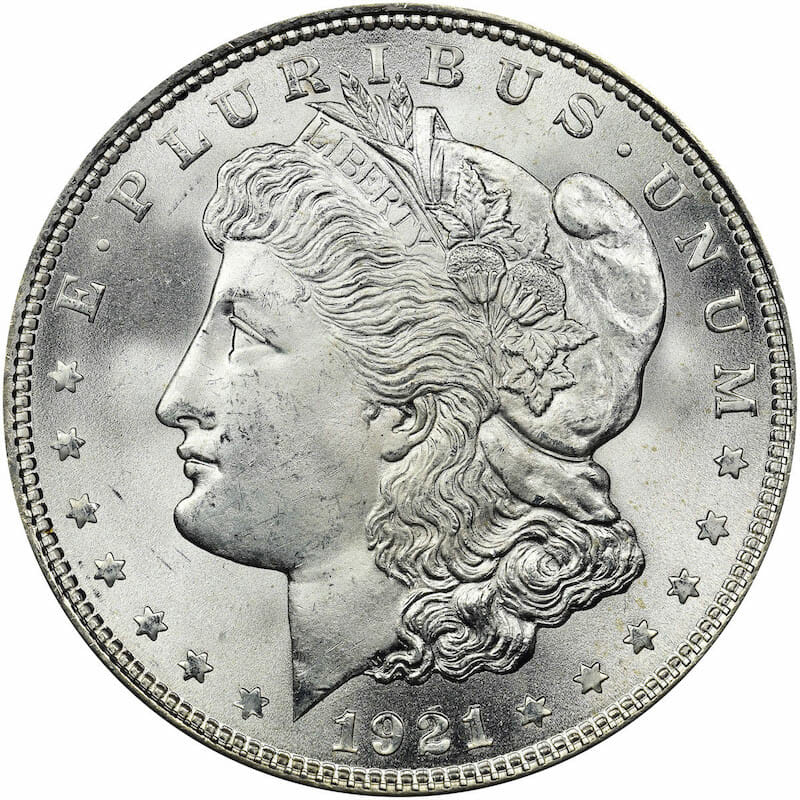
In a world defined by diversity and differences, America stands as a testament to the enduring philosophy surrounding the Latin phrase “E Pluribus Unum,” which means “Out of Many, One.”
To fully understand the significance of E Pluribus Unum, we must delve into its historical roots, explore its presence in currency, and inspect its profound philosophy.
Historical Overview
The Origin of the Phrase “E Pluribus Unum”
The phrase ‘E Pluribus Unum is a Latin phrase that translates to “out of many, one.” It was first heard in the writings of Virgil, a Roman poet alive between 70-19 BC.
Early mentions and meanings
As well as Virgil’s poem, other references to the phrase include Heraclitus’s 10th fragment, “The one is made up of all things, and all things issue from the one,” and is also seen in a poem describing the making of moretum, a spread similar to modern pesto.
Cicero in 44 BC, also used the phrase “unus fiat ex pluribus” (translating to “one made out of many”), using it in relation to the family unit.
13 Colonies and the Formation of a United States
‘E pluribus unum’ signifies the coming together of 13 colonies fighting for freedom against Great Britain, becoming America’s official motto in 1782.
The American Revolutionary War (1775-1783) sparked change in America. Britain lost the war, allowing America to create a new system of government. During the war, 13 colonies stood together. Post-war, they could see the benefits of unity and set up a central government.
The Role in Federalist Papers and Constitutional Debates
During the debates around the creation of the U.S. Constitution, “E Pluribus Unum” emerged as the perfect representation of a strong, unified federal government. It represented the belief that unity could be achieved even from diverse states. Their task was to balance the vast array of ideas, morals, and interests to create a steady federal system.
Why the Phrase is More Relevant Than Ever
E pluribus unum is more relevant than ever in our ever-changing world. It shows a need for coexistence, acceptance, and tolerance of many-in-one governed by shared ideas.
Diversity and Unity in Modern America
The Importance of Understanding “E Pluribus Unum”
Many today may not understand the critical meaning of E pluribus unum, but a slight variation is sometimes used today. ‘Diversity within unity’ perfectly describes modern-day America. Whilst this variation celebrates the diverse range of cultures in America, it also doesn’t deny the union of the states of the true meaning of E pluribus unum.
E Pluribus Unum on Symbols and Currency
The Great Seal of the United States
The Great Seal of the United States is one of the most iconic representations of “E Pluribus Unum,” featuring an eagle holding 13 arrows in one talon and an olive branch in the other. A ribbon displaying the motto is in its beak, and a sunburst sits above its head.
The seal shares symbolism with the American flag. There are 13 arrows and 13 stripes to depict the original colonies. They also share similar colors and other representations within their designs.
American Currency: Coins and Paper Money
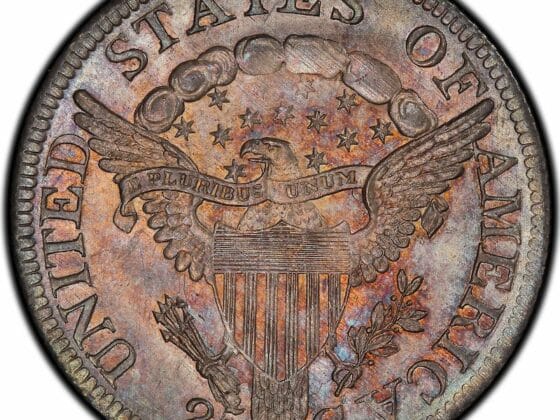
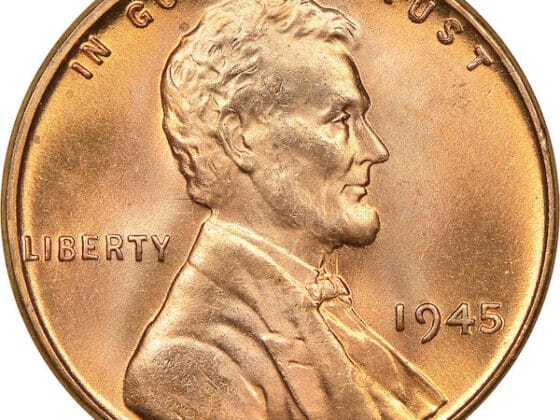
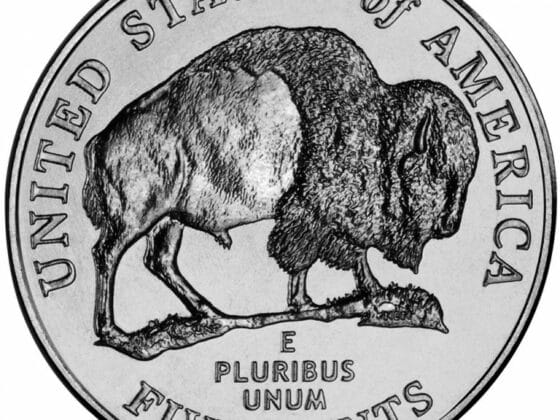
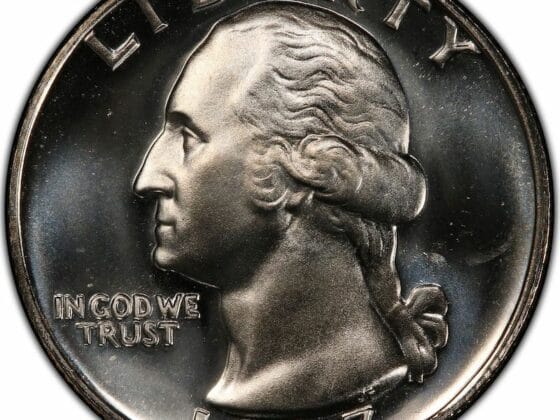
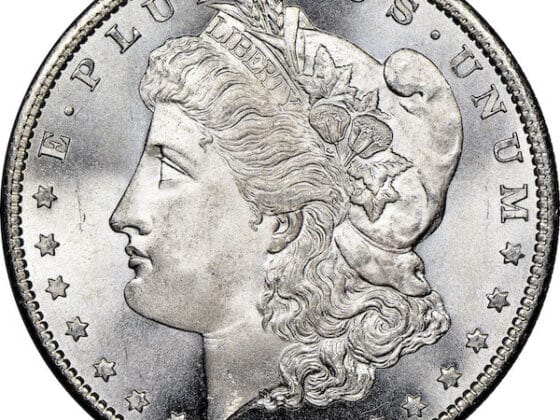
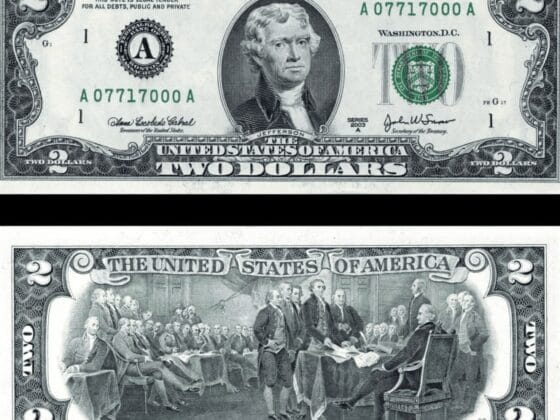
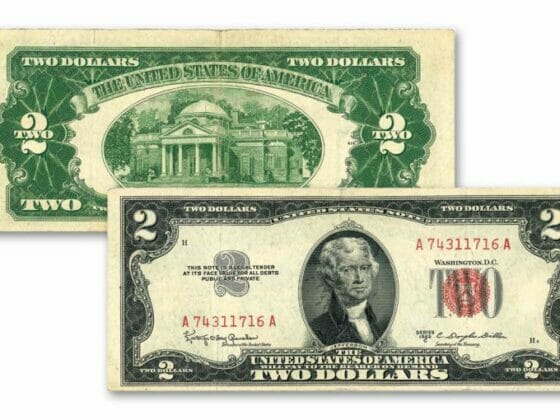
American currency has used “E Pluribus Unum” on both its coins and paper money since the late 1700s. It reminds us of the strength of the U.S. dollar and the country’s economic stability.
How E Pluribus Unum has been imprinted on our economy
- E pluribus unum was first used on U.S. coinage in 1795.
- The motto was added to other silver coins in 1798.
- Soon after, it appeared on all coins made of gold and silver.
- In the 1830s, it was dropped from both gold and silver coins.
- The Coinage Act of 1873 made the motto a requirement of law upon U.S. coins, so it was reinstated and is still used today.
The Philosophy Behind E Pluribus Unum
Individualism vs. Collectivism in American Culture
The philosophy behind “E Pluribus Unum” balances the differences between individualism and collectivism in American society. It acknowledges individual liberties and opportunities whilst emphasizing the responsibility of the many to ensure that the nation thrives as one. This ethos has been central to the American government and policy writing.
Cultural Diversity and Integration
Throughout history, the United States has welcomed people from a multitude of backgrounds, cultures, and beliefs. “E Pluribus Unum” underscores the nation’s role as a melting pot, celebrating how different cultures can come together and contribute to a richer and more vibrant society. Today, America is a medley of different cultures, each with its own music, food, fashion, and religion, which has slowly been adopted as being American.
The Value of Unity in Times of Crisis
Historically, moments of crisis have highlighted the importance of unity. From the American Revolution to the Civil Rights Movement, “E Pluribus Unum” has been a rallying cry reminding Americans of their shared purpose and strength from standing together during challenging times. Americans have shown strength in times of crisis, always reuniting and growing stronger.
Modern Relevance of E Pluribus Unum Motto
Immigration and Multiculturalism
Today’s world is seeped in global mobility and immigration, meaning “E Pluribus Unum” has taken on renewed significance. It now reflects the neverending process of welcoming newcomers into America and integrating them into society while celebrating their diverse backgrounds.
Social Movements: How the Phrase is Invoked Today
“E Pluribus Unum” is frequently used to help emphasize the importance of unity and inclusion in a variety of social groups. Black Lives Matter and LGBTQ+ rights advocacy are at the forefront of these movements and use the motto in their pursuit of justice and equality.
Political Interpretations and Misinterpretations
“E Pluribus Unum” is not free from political interpretations and misinterpretations. While representing unity, it has also been used to justify exclusionary policies and divisive rhetoric. It is said that many feel the U.S. is polarised and crippled by debates about what should be done, while others believe that differences in opinion during policymaking help shape a more just and fair world.
International Perspective
E Pluribus Unum and the European Union
When comparing the European Union (EU) and the U.S. there are some similarities in their quest for unity amid diversity. Both nations seek to bring together different regions and cultures under a common entity. However, the EU faces different challenges in achieving a peaceful union. “E Pluribus Unum” can offer insight into the complexity of creating unity in such diverse federations.
How the Concept is Viewed in Other Democracies
Countries like Canada, Australia, and India also grapple with issues of diversity and unity. While their approaches may differ, the concept of “E Pluribus Unum.” and finding strength in diversity is universal. Examining how these nations interpret and apply similar principles provides valuable perspectives on the endless journey for unity amongst varied nations.
Criticisms and Controversies
Arguments Against the Phrase
“E Pluribus Unum” has proved its significance across many decades, but it is not without criticism. It is argued by some that it is outdated when faced with contemporary challenges and that it inadequately addresses issues of systemic inequality. These criticisms remind us that the pursuit of unity and inclusivity requires ongoing reflection and adaptation.
The Debate Around Replacement Mottos
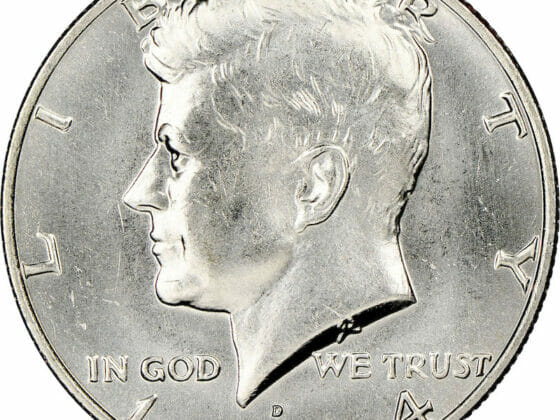
In 1956 years, “In God We Trust” replaced “E Pluribus Unum” as the new motto of the U.S. and began appearing on more currency around this time. The change was made by President Eisenhower at the height of the Cold War and was made to signal opposition to the feared ideology of communism.
E Pluribus Unum FAQs
What does E Pluribus Unum mean?
“E Pluribus Unum” means “Out of Many, One” in Latin. It signifies the idea that a diverse group can come together to form a unified whole.
What language is E Pluribus Unum in?
“E Pluribus Unum” is in Latin, a language widely used in philosophy, literature, and law during ancient Rome.
The word “unity” is most closely related to “E Pluribus Unum,” as it encapsulates the central idea of diverse elements coming together to form a cohesive entity.
Conclusion
In a nation filled with division and discord, “E Pluribus Unum” remains a guiding light for the United States. From its ancient roots to its presence on the Great Seal, currency, and etched on the hearts of Americans, “E Pluribus Unum” underlines the nation’s commitment to unity amid diversity. Modern-day America continues to face new challenges and embraces its ever-expanding tapestry of cultures. “E Pluribus Unum” serves as a reminder of the strength that emerges when people come together to forge a union that can last generations.