Selvage is a term used in sewing to refer to the inner running of a fabric, which is the warp of its construction. It’s named after the selvages of a piece of cloth and refers to their ‘self-edge,’ or the edge where the weft was attached before it ran along with the lengthwise thread.
Selvage may also refer to a narrow band or strip that runs around all sides of a fabric roll for identification purposes. In design terms, it is often referred to as an “out” when determining how much material you will need for hems on various items.
Some fabrics, such as denim, have closely woven selvages that do not fray easily to be finished with an overlock stitch for additional strength. Finishing or serging the edge of a garment or home decor item prevents it from unraveling and provides a clean finish even after repeated use and laundering.
How to distinguish between them?
You can tell by looking at the straight edges of the fabric (the ones that haven’t been cut), which should be very tightly woven; you may see one or more ‘picks’ per cm/inch along the lengthwise threads (warp) if it’s cotton or linen type fabric. On other fabric types like polyester/nylon etc., this would be less apparent.
Selvages of fabric are often used as a standard measure for garment and curtain length. Their width is measured from the outside edge of the material going in. For example, a selvage to selvage measurement on a typical pair of jeans would be about 50cm/20in. However, this varies depending on the size and manufacturer of the pants/jeans. Also, note that not all fabrics have selvaged edges – those that don’t might have been woven or knit so that they don’t unravel easily (eg. most knits).
Which side of the fabric is selvage?
When looking at a bolt of cloth from the top, the selvage is the flat edge along the length. The other side would be known as “fell,”. In most cases, it is used for shorts and underwear due to being softer against the skin.
When viewing a piece of fabric from one of its ends, you will see one side with a thicker layer than the other. That would be your selvage. It comes from extra material woven into it to reinforce the edges.
This difference in thickness causes some fabrics with selvages to curl towards their fell sides when cut from end to end, resulting in roll-over hems unless corrected during construction by ironing or stitching a straight line parallel to the selvage on the roll-over edge.
Selvages are useful as they prevent your fabric from unraveling, and at times you can use the selvages as a guide when cutting.
Selvage edge definition
Selvage is the edge of the fabric that prevents it from unraveling. It can be found at one or both ends of a roll of fabric, depending on the width of the material.
How does it help prevent fabrics from traveling?
Knitting machine manufacturers make their machines with an extra thread at the beginning and end of every line to prevent proper knitting yarns from unraveling and causing serious damage to your knitting machine and your project. When you sew knitted fabrics together, these selvages form a natural edge, so there’s no need to finish seams with zigzag stitching or serging as you do with woven fabrics.
Do I need to cut off the selvage?
Typically, you do not need to cut off the selvage. However, if the fabric is designed with only one rather than two selvages (fabrics cut in one piece without an overlap), it can be more convenient to have them both there for matching purposes.
Most fabrics will come with two sides. If you want the ease of having two parallel sides when cutting your fabric, choose a material with double selvages instead of just one. However, if they don’t, your best bet is usually fleece or flannel. Both materials are generally sold in pieces wider than you’ll need (width-wise).
How to sew selvage seams?
Sewing a selvage seam is essentially joining two straight edges. It can be as simple as sewing one side of a fabric then flipping it over to repeat on the other side. It could also involve stitching through multiple thicknesses of material. The latter might require that you take special care with your seam allowances and stitch length to avoid problems such as puckering and bunching along the edge.
Selvage application in fashion?
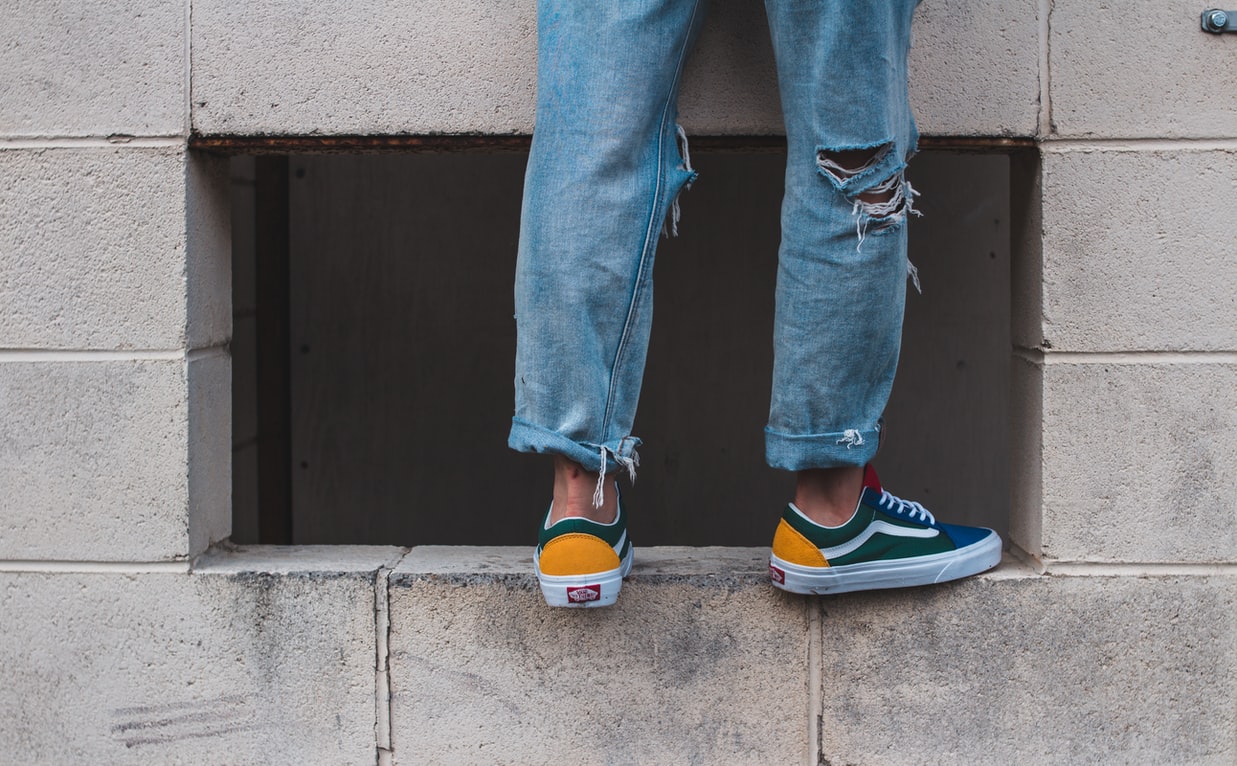
In fashion, the selvage is often used to make jeans. To make jeans, the widest parts of the pattern must be placed along a selvage for easier pattern matching. Selvages used in fashion include Selvage denim (Raleigh Denim), Selvage face-up construction (Hudson Jeans), Selvedge fabric/materials that do not fray easily (Parachute Linen).