During the finishing process of fabric, nap is the raised fibers that stand perpendicular to the base fabric. Nap is also known as pile and can be found on certain cloth such as velvet. The technical definition of the term “nap” in sewing terms is a specific directional quality of fibers in the fabric, with one direction appearing more pronounced than another. When being sewn, a nap should always run parallel to the selvage. If it runs against selvage for lengthwise grain, you have a hairy run that results in ripples that are difficult to press out or sew through.
How to sew napped fabrics?
For best results when sewing napped fabrics, follow these steps:
1) Ensure your sewing machine comes with an even feed mechanism
2) Make sure your machine is threaded correctly so the bobbin thread is pulled up correctly. Using a thread net or small piece of tulle will catch any excess loose threads, preventing them from getting tangled in the works of your machine.
3) Ensure you are using a sharp needle and appropriate size needle for the fabric weight and type. Using a wedge-shaped or ballpoint needle can also help avoid stitching problems with napped fabrics. It will prevent needles from snagging naps as well as avoiding skips and other issues such as puckering and seam rippling.
4) Reduce your stitch length to 1.8mm – 2mm when sewing napped fabrics, then gradually adjust depending on how much of the fabric is pilling.
5) Reduce your stitch width to 3mm – 4mm.
6) Slow down the machine if the pile is major or unevenly distributed. Sewing napped fabrics requires some getting used to, so don’t be discouraged if you are unsuccessful at first. Because of the raised nap, the fabric can easily “get away” from you, which may cause mistakes in sewing. There are many different types of napping; therefore, it is essential to understand cloth construction before attempting to sew napped fabrics.
Napped fabric examples
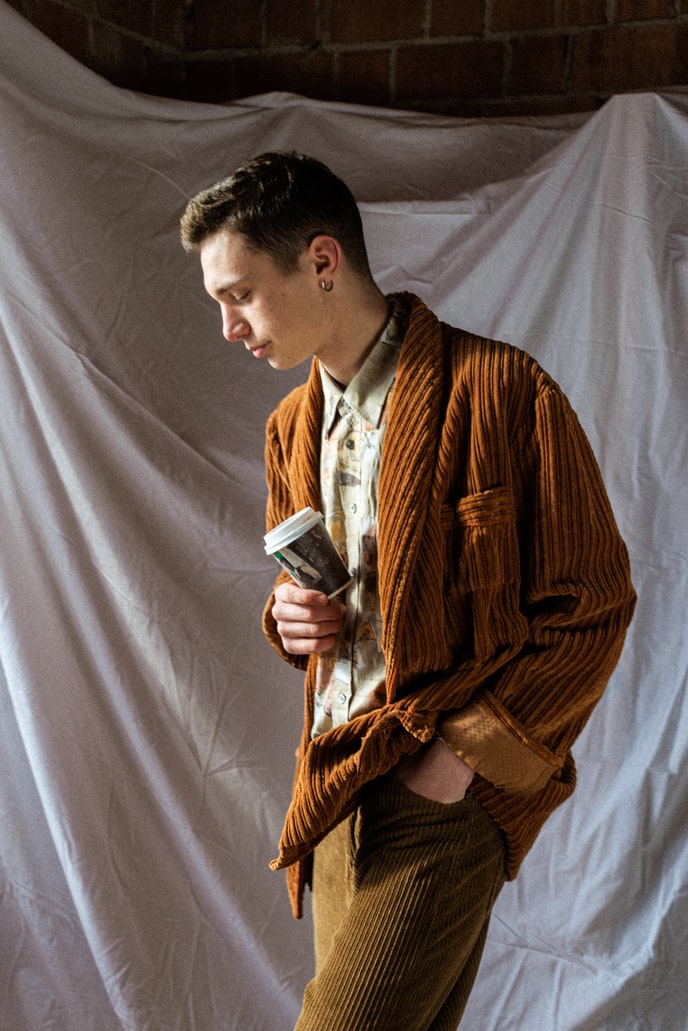
1) corduroy
2) velveteen
3) terry cloth
4) stretch velvet
5) heavy cotton percale
6) fleece
7) waffle weave fabric
8) terry toweling fabric
9) velvet.
How do you find the nap of a fabric?
You can easily tell where the nap lies by giving it one firm stroke with your open palm when looking at the fabric.
What types of fabric have nap?
No, napped fabrics are the ones with raised fibers. Fabrics such as corduroy, velveteen, or terry cloth have nap. It is also found on stretch velvet, but it runs against selvage for the lengthwise grain, which causes hairy run and ripples that are difficult to press out or sew through.
What does without nap mean in sewing?
It is referred to fabrics that do not have any raised fibers. Non-waveless fabrics are always non-napped. When the fabric is napped, the fibers are raised up from a smooth surface at regular intervals due to brushing. Most pile fabrics have a wavelike appearance, so they are called nap fabrics.
Is there a way to cut napped fabric, so both selvage edges are on the same side?
Yes
1) Fold fabric in half;
2) Cut along the lengthwise grain;
3) Both selvage edges should be lined up on top of each other.
Fabric nap direction in sewing
Nap in sewing is when you look at the fabric, and it has one way that the texture is raised up. There are different types of naps, Pile, Plush, Cut-pile, and Velvet.
Pile
Pile direction can be found by looking at how smooth or rough the top side of the fabric is to the touch. If it feels rough, then this would have a pile direction where all fibers point in one direction. When placing two pieces with pile together – both should have the same nap pile direction otherwise, they will stick out.
Plush Nap
When looking at plush nap material closely, if small loops are sticking off of the main direction of the nap, these are called plush piles (or cut-pile). It means that these pieces’ naps will be going in different directions – even though they are still smooth.
Cut Pile
When you look at cut pile closely, if small loops are sticking off of the main direction of nap, these are called plush piles (or cut-pile). If there is a rough side and a soft side to this material – both sides should have the same direction. This means that the nap of these pieces will be going in different directions – even though they are still smooth.
Velvet Nap
When you look at velvet nap material closely, if there is some coating over it, this would be called velvet or shantung fabric. It has a smooth face with a rough texture on the back. It is essential always to have the same nap direction with these naps because if not, they will stick out from each other.
When stitching velvet or shantung, make sure you use a slightly smaller stitch size (3mm) and don’t cut away extra seam allowance like regular fabric. Please do your best to press as little as possible and finish the seams with serging or very narrow zig-zag stitches over them. Finally, if you can, use water-soluble thread to avoid damaging the fabric when sewing and finishing off seams at the end of a project.